Survival of Cinema

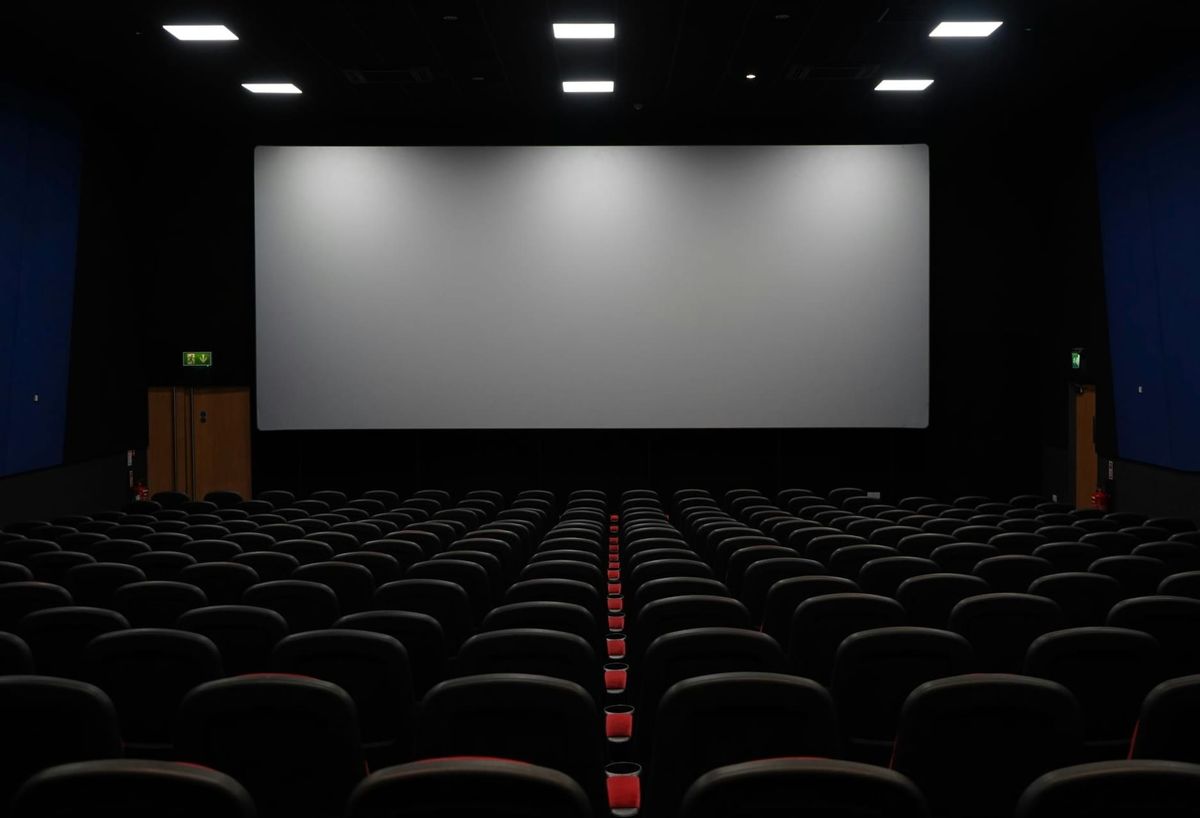
You’ve heard movie theaters are dying but it’s more like a coma, and they’re waking up.
The cinema industry was the place to be right before the pandemic shut everything down. For five consecutive years it had been raking in over $11 billion annually. Six years later it's still not back to normal. Overall revenue is down, operating at about 78% of the volume seen in that 2015-2019 stretch. For the last three years the industry's new ceiling has been hovering around $8 billion annually. Attendance itself may never recover. Down 37% from 2019 to 2025. That's approximately 460 million tickets left on the table, more than the entire US population of 340 million.
While North American movie theaters had been putting their chips on black for decades and winning, Netflix went all in on red and hit the jackpot.
In 2020 alone Netflix added nearly 37 million subscribers. Their largest single year of growth at the time, a record that would still stand if not for their password crackdowns. Many speculated the steady decline of subscribers would come as soon as the lockdown was lifted.
They were wrong.
When things went back to “normal” Netflix retained 98% of its pandemic growth. In the midst of being forced to stay inside, Netflix became less of a luxury and more of a household utility. They had such a deep content library that it kept people around, along with the habit loop they created within all of us. Today the average account streams content for 2.4 hours a day. Something shifted for the masses, streaming wasn’t just for if we stayed in. It was the reason to stay in.
Theaters were on their way to the grave, unless they could adapt.
So they did.
Having the films wasn’t enough anymore, so the industry started selling a premium night out. Full service bars replaced the arcades. They’ve still got popcorn, but you’ll get it with a burger and fries now. You don’t have to wait for it either, they'll bring it to you like you're royalty. Every seat is a heated recliner, making your couch feel like a lawn chair. Don't forget the screens are as big as billboards, with every chain having its own model, IMAX (with lasers), Dolby, ScreenX, UltraScreen DLX. Do you know what a movie with lasers feels like?
Me neither, but it sounds bad ass.
All these cool upgrades come with a cost, higher prices. North American movie theaters clawed their way back to $8 billion a year not by selling more tickets, just more expensive ones. You can't sneak out to the movies with your wife anymore without accidentally spending $100.
All this shifting in the industry and everyone makes it out alive? Not quite.
Mid-budget films are absolutely bombing at the theaters now. Not because the movies are bad, but because seeing them now comes with a different conversation. “How bad do we want to see this?” It's hard to justify paying premium prices for a film that's gonna hit Amazon Prime in two weeks.
Cinema’s most recent mid-budget burial was held earlier this month. Guy Ritchie’s action thriller In the Grey had a production budget north of $40 million. Opening weekend it did $3 million. It was outdone by a Top Gun re-release, bringing in $3.3 million.
The formula is locked in, premium experience requires a premium film. So how do we justify it?
Community.
Movie theaters didn’t survive solely because they raised their prices. They survived because we didn’t care about the price. Few things give us the same experience as the movies. Sitting in a dark room and saying nothing somehow makes us a part of something. Especially if it's a blockbuster. Films are culture, they feed conversations, they connect us. We all have that one film we remember seeing, maybe even remember where we were sitting.
Streaming almost got away with murder, but like most screens it isolates us. That's where it falls short. Only one screen ever really connects us.
The big screen.