Rinse and Repeat

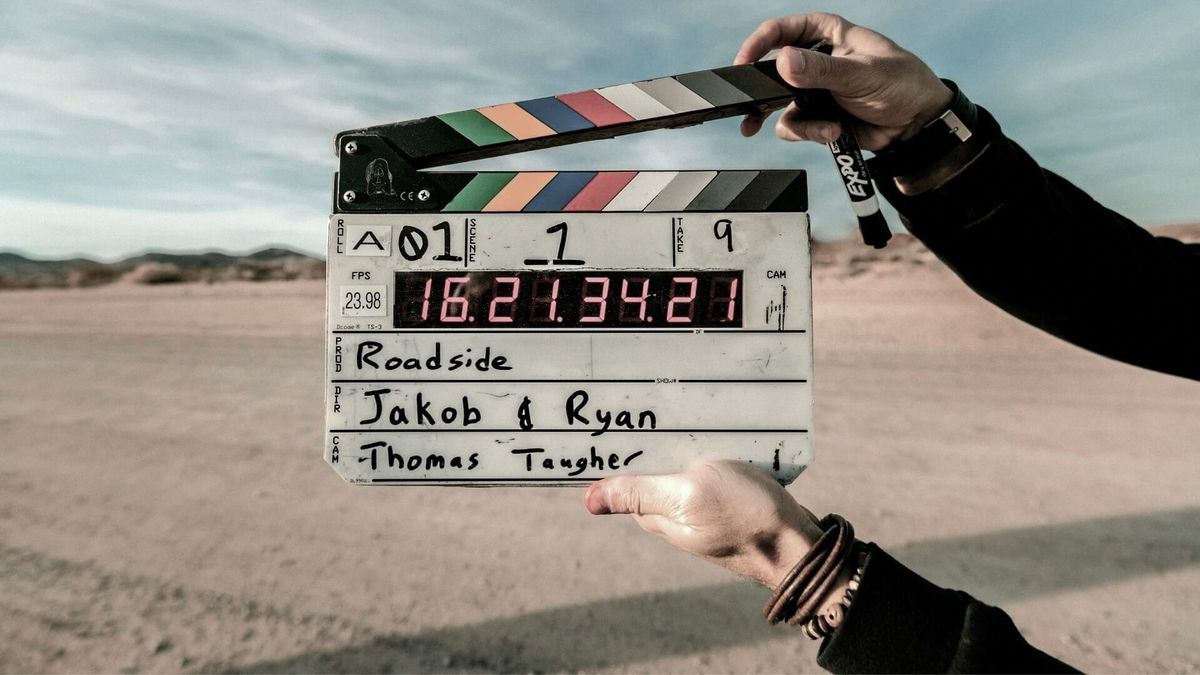
The anticipation of a summer blockbuster movie can be unmatched. After months of trailers and avoiding spoilers online the hype is through the roof. By the time the film is a week away it's impossible to get your hands on tickets. Once you do, the theater itself is chaotic. Everyone is there for the same thing at the same time, the big event.
You smile as the ticket guy scans your barcode, the candy you snuck in hidden in your pocket. Hit the concessions and off to your seats in time for a few previews.
As fast as the movie starts, it's over.
You destroyed your popcorn, credits roll, your recency bias says it's the best movie you’ve ever seen. As you walk back to the car, normal debates and conversations unravel about that one scene or that one actor. During that conversation something along the lines of “Do you think they’re gonna make another one?” or “I can't wait for the next one!” comes up. Nobody skips a beat, you spend a few minutes on it then move on.
The thing is, do we really want more?
We leave the movies chasing that ecstasy. Though most of the time we don’t actually want another film, deep down we know a sequel won't do it justice. Instead we really crave to watch that specific movie for the first time again.
What do original films give us that sequels rarely recreate?
Discovery.
Being introduced to a new world, the characters in it, and the stakes they’ll face is the core of a good movie. The first half of the film is spent developing all of the above, and in doing so we build a connection. A real connection that by the end of a good movie will have you in tears or full of joy, or both. Sequels often assume that the viewer is aware of the world or the stakes in them. Which is fair, but you can't assume the feelings that are supposed to come with it.
It's just business.
Like any other product, movies are made to sell and for years sequels have done just that. So much so that most of what we see is rinse and repeat.
Intellectual Property, or IP, is a fancy way of saying “a world that already exists”. As high as 70% of revenue being made by big budget production companies is based on IP. Sequels specifically make up anywhere from 25-30% of their annual releases. Simply put, the majority of movies we’re paying to see live in a world we’ve already discovered.
So we’re still going.
It looks something like this. See a post on our social media about a sequel that just started filming. Judge the shit out of it. “Do they really have to do that?? They’re gonna ruin the first one.” Then eight months from now people are buying tickets, myself included.
Sequel or not, if it piques our interest the cinema is the cinema.
When an original film comes out it’s story driven, then hopefully the money follows. With success a sequel is greenlit but a different structure is applied. The dollar signs are front of mind, forcing more stories. Jumping over the discovery portion we love and often landing flat.
Few outliers overcome the grasp of the cash grab structure. Hopefully those few become the obvious blueprint for future sequels.
Honorable Mentions:
- The Empire Strikes Back (1980)
- The Dark Knight (2008)
- Spider-Man 2 (2004)
- Toy Story 2 (1999)
- Dune: Part Two (2024)
- Top Gun: Maverick (2022)